What Nobody Tells You Before Gorilla Trekking
What Nobody Tells You Before Gorilla Trekking is that the experience begins long before you see your first mountain gorilla.
You may have seen beautiful photographs of gorillas sitting peacefully in the misty forests of Uganda.
You may have imagined walking through the jungle, meeting a silverback and spending an unforgettable hour with a gorilla family.
That part is real.
But there are also things travelers often discover only after arriving in Uganda.
Gorilla trekking can be physically demanding. The forest can be wet and slippery.
The gorillas may be closer than expected—or farther away. Weather can change quickly. And the trekking experience is not something you can completely predict.
That is exactly what nobody tells you before gorilla trekking.
The good news is that knowing what to expect makes the experience much more enjoyable.
Uganda offers gorilla trekking in Bwindi Impenetrable National Park and Mgahinga Gorilla National Park.
According to Uganda Wildlife Authority, a trek can take approximately 2 to 7 hours, depending on the location of the gorilla family and the conditions of the forest.
Visitors are allowed up to one hour with their assigned habituated gorilla family.
If you are planning your first Uganda gorilla trekking adventure, here are the things you should know before you travel.
What Nobody Tells You Before Gorilla Trekking: It Is Not Just a Walk
One of the biggest surprises for first-time visitors is that gorilla trekking is not an ordinary forest walk.
You are entering a mountainous rainforest.
The trails can be steep. Some sections can be muddy. Roots, rocks, vegetation and slippery ground can make the journey challenging.
Your trek may be relatively easy on one day and more demanding on another.
Why?
Because mountain gorillas move freely through their natural habitat.
The trekking team follows their movements.
This means nobody can honestly guarantee that you will walk for a specific number of minutes before finding the gorillas.
Some travelers find the gorillas relatively quickly.
Others may spend several hours walking through the forest.
This is one of the most important things to understand about what nobody tells you before gorilla trekking.
The uncertainty is part of the adventure.
1. You Do Not Know Exactly Where the Gorillas Will Be
You are not visiting a zoo.
The gorillas are wild animals living in a protected forest.
Trackers usually go ahead to locate the gorilla family, while visitors follow the established trekking process with guides and trackers.
According to Uganda Wildlife Authority guidelines, visitors must report to the designated entry point for permit validation, orientation and briefing before tracking.
Gorilla tracking clients are accompanied by UWA guides and trackers.
This means your itinerary can have a planned start time, but the exact moment you meet the gorillas cannot be guaranteed.
That unpredictability makes the experience exciting.
2. Gorilla Trekking Can Be Physically Demanding
If you are wondering what nobody tells you before gorilla trekking, this is one of the most important points.
You do not need to be an elite athlete.
However, you should be reasonably prepared for walking on uneven and sometimes steep terrain.
Uganda Wildlife Authority describes gorilla tracking as requiring moderate fitness, with treks potentially lasting between two and seven hours.
Your experience may depend on:
- The location of the gorilla family
- The terrain
- Weather conditions
- Your walking pace
- The condition of the trails
- How frequently you stop to rest
Start preparing before your safari.
Walking regularly, hiking hills and improving your general stamina can help.
3. The Forest Can Be Wet Even When It Is Not Raining
Another important answer to what nobody tells you before gorilla trekking is that you should prepare for wet conditions.
Bwindi is a rainforest.
Rain can occur even when the weather forecast looks favorable.
The forest floor can become muddy and slippery.
Vegetation can also be wet from earlier rainfall.
That is why proper clothing and footwear matter.
Consider packing:
- Waterproof hiking boots
- Long trousers
- A lightweight waterproof jacket
- Gardening or hiking gloves
- A small backpack
- Water
- Snacks for before or after the trek
- Insect repellent
- Hat
- Camera
- Extra socks
- Walking poles if you need additional support
Do not dress only for photographs.
Dress for the forest.
4. Your Shoes Matter More Than Your Safari Photos
Many travelers concentrate on cameras, clothes and accommodation.
But your footwear can have a major effect on your comfort.
You may encounter mud, wet vegetation, steep slopes and uneven ground.
A pair of comfortable hiking boots with good grip is therefore much more useful than fashionable shoes.
Break your boots in before your trip.
Do not arrive in Uganda with brand-new hiking boots and expect them to be comfortable immediately.
This small detail is another example of what nobody tells you before gorilla trekking.
5. You May Get Dirty
Gorilla trekking is not a clean, paved hiking experience.
You may finish your trek with mud on your boots and trousers.
You may brush against wet plants.
Your clothes may become dirty.
And honestly, that is part of the experience.
Do not worry about staying perfectly clean.
Instead, enjoy the forest.
The goal is not to return looking like you just left a luxury hotel.
The goal is to experience one of the world’s most remarkable wildlife encounters responsibly.
6. You Should Not Expect to See Only Gorillas
Another surprising part of what nobody tells you before gorilla trekking is that the forest itself is an attraction.
Your journey can expose you to:
- Ancient rainforest vegetation
- Birds
- Butterflies
- Insects
- Monkeys
- Forest sounds
- Mountain scenery
- Local communities
- Experienced trackers and guides
The gorillas are the main attraction, but the journey through the forest creates much of the atmosphere.
Slow down.
Listen.
Look around.
Sometimes the forest itself becomes one of your favorite memories.
7. The One-Hour Gorilla Encounter Feels Short
After spending hours preparing and trekking, you may finally reach the gorilla family.
Then something surprising happens.
Time seems to move extremely quickly.
Uganda’s gorilla tracking rules limit visits to one hour per gorilla group per day.
One hour sounds long before the trek.
When you are sitting near a mountain gorilla, it can feel incredibly short.
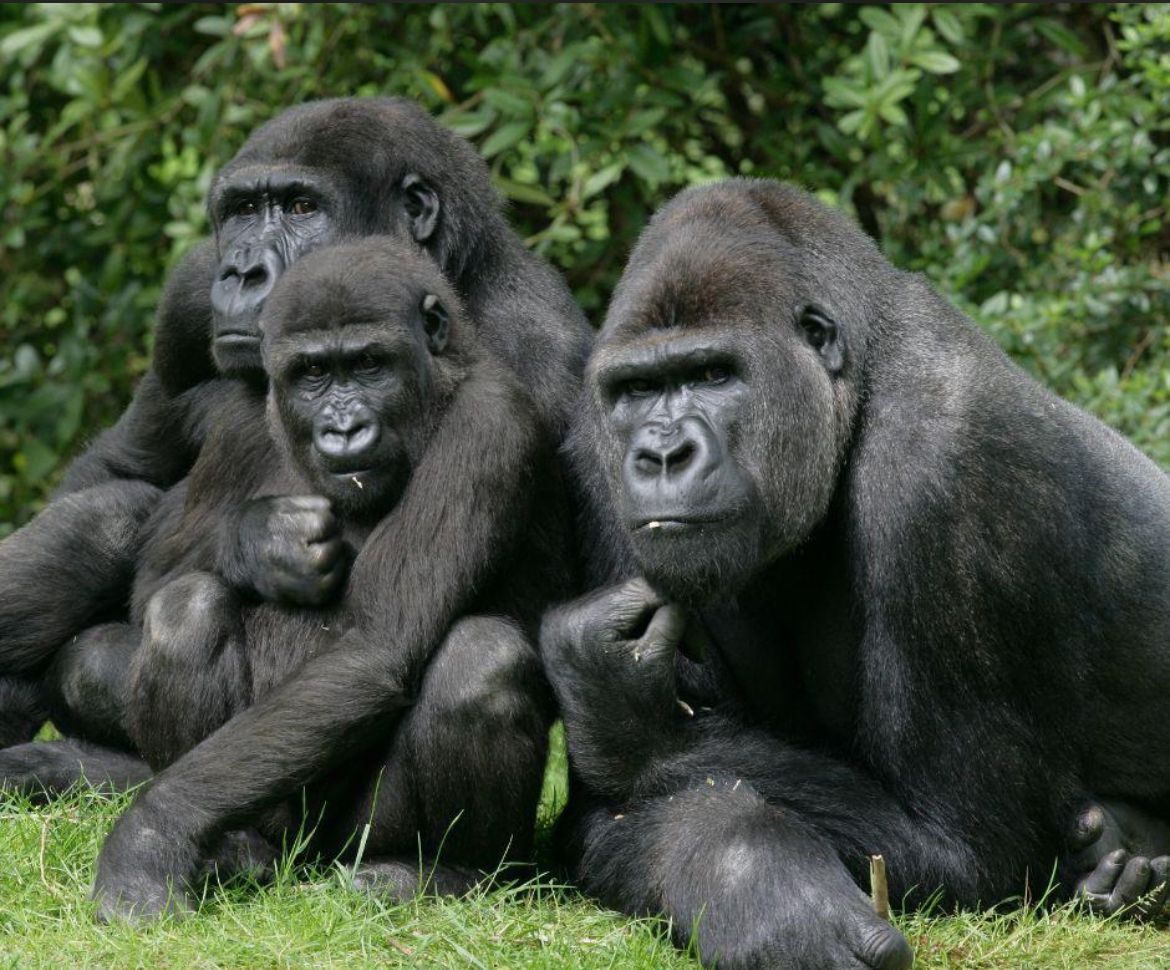
You may watch a silverback.
You may see young gorillas playing.
You may observe mothers caring for infants.
You may notice gorillas feeding, resting or moving through the vegetation.
Then your guide tells you that it is time to leave.
That moment can be emotional.
8. The Gorillas May Be Much Closer Than You Expect
Many people imagine seeing gorillas from a considerable distance.
That is not necessarily the case.
You can find yourself surprisingly close to these powerful animals.
That is why strict guidelines exist.
Uganda Wildlife Authority’s published rules state that visitors should maintain a 10-metre distance from gorillas, avoid eating, drinking and smoking during the encounter, avoid flash photography and turn away when coughing or sneezing.
Your guide will help you understand how to behave around the gorillas.
Listen carefully.
Your behavior helps protect both you and the animals.
9. You Should Not Trek If You Are Sick
This is one of the most important points in what nobody tells you before gorilla trekking.
Mountain gorillas can be vulnerable to human respiratory illnesses.
Uganda Wildlife Authority advises visitors not to visit gorillas if they have a cold or another infectious illness.
If you become sick before your trek, tell your safari operator and follow the official guidance.
Do not hide symptoms simply because you have already paid for your safari.
Responsible gorilla tourism starts with protecting the gorillas.
10. You Cannot Just Walk Into the Forest Alone
Gorilla trekking is a regulated wildlife activity.
You cannot simply enter Bwindi or Mgahinga and search for gorillas yourself.
Visitors must have the appropriate documentation and participate through the official tracking process.
UWA guidance states that permits or tickets are validated before tracking, and tracking without validated documents and the required guide is not permitted.
This is another reason choosing an experienced Uganda safari operator can make your trip easier.
Your operator can help coordinate:
- Gorilla permits
- Accommodation
- Transport
- Driver-guide services
- Park logistics
- Trekking location
- Safari itinerary
- Airport or hotel transfers
11. Your Gorilla Trekking Sector Matters
Bwindi Impenetrable National Park is divided into several trekking sectors, including Buhoma, Ruhija, Rushaga and Nkuringo. Mgahinga offers another gorilla trekking experience in Uganda.
This matters because accommodation and driving times depend heavily on your selected trekking sector.
For example, booking accommodation in the wrong area can create unnecessary early-morning driving.
A good itinerary should therefore consider your gorilla permit location before finalizing accommodation.
This is an important detail that many first-time travelers discover too late.
12. Do Not Choose a Lodge Only Because It Looks Beautiful Online
Beautiful accommodation photographs can be tempting.
But for gorilla trekking, location is extremely important.
A luxury lodge several hours from your trekking sector may be less convenient than a comfortable lodge located close to your trailhead.
When planning Uganda gorilla trekking, consider:
- Distance to the trekking briefing point
- Room comfort
- Meals
- Hot water
- Views
- Road access
- Availability
- Your overall safari budget
The right accommodation is not always the most expensive accommodation.
It is the accommodation that fits your itinerary.
13. Gorilla Trekking Is About Conservation, Not Just Tourism
A gorilla trek is more than a wildlife holiday.
It is also part of a wider conservation system.
Uganda’s mountain gorillas live in protected forests in Bwindi and Mgahinga, and tourism plays a role in supporting conservation and surrounding communities.
UWA reports that Uganda’s gorilla conservation journey includes protection, research, law enforcement, tourism and growing community participation.
When you book responsibly, your trip becomes part of an ecosystem involving:
- Rangers
- Trackers
- Guides
- Drivers
- Lodges
- Local communities
- Conservation authorities
- Tourism businesses
Your visit can therefore create value beyond the photograph you take.
14. You Need to Listen to Your Guide
Your guide is not there simply to show you the gorillas.
Your guide helps you understand the forest and how to behave responsibly around wildlife.
Listen when your guide asks you to:
- Keep quiet
- Maintain distance
- Move slowly
- Stop walking
- Lower your voice
- Follow a particular route
- Avoid flash photography
The guide’s instructions exist for a reason.
The safest and most respectful approach is simple:
Listen first. Photograph second.
15. Your Camera Is Not the Most Important Thing
It is natural to want incredible gorilla photographs.
But do not spend the entire encounter looking through your camera.
Put the camera down sometimes.
Look directly at the gorillas.
Watch their behavior.
Observe the relationship between adults and young gorillas.
Listen to the forest.
You may return home with hundreds of photographs.
But the memory of sitting quietly in the forest can become much more valuable than any photograph.
16. The Weather Can Change Your Experience
Mountain rainforest weather can be unpredictable.
You may begin your trek in sunshine.
Then clouds arrive.
Then rain.
Then sunshine again.
A wet trail can also become more challenging.
This does not mean you should cancel your trek because of rain.
Instead, prepare properly.
A waterproof jacket, waterproof backpack protection and suitable footwear can make a major difference.
17. You May Need More Time Than You Think
Do not schedule your gorilla trek on a day when you have an important flight immediately afterward.
Although trekking can sometimes be relatively short, UWA notes that gorilla tracking can last approximately two to seven hours.
Allow enough time for:
- Breakfast
- Driving to the briefing point
- Registration
- Briefing
- Trekking
- Gorilla viewing
- Returning from the forest
- Lunch
- Rest
A relaxed itinerary is much better than rushing from the forest to an airport.
18. The Experience Can Be Emotional
This is something that statistics cannot explain.
You may spend months planning your Uganda safari.
You may travel thousands of kilometers.
You may hike through a rainforest.
Then suddenly you are standing in front of a mountain gorilla.
A silverback looks in your direction.
A young gorilla plays nearby.
The forest becomes quiet.
For many travelers, that moment is difficult to describe.
That is why people who ask what nobody tells you before gorilla trekking often discover that the emotional experience is just as important as the physical adventure.
19. You Should Book Your Gorilla Permit Early
Gorilla trekking is not an activity you should leave until the last minute.
Your permit is tied to your trekking date and location, and availability matters.
UWA’s current guidance emphasizes official permit validation and regulated tracking procedures.
Planning early gives you more opportunity to coordinate:
- Gorilla permit
- Trekking sector
- Accommodation
- Transport
- Safari activities
- Domestic flights if needed
- International flight connections
Early planning is especially useful if you have fixed travel dates.
20. Your Safari Does Not Have to End With Gorillas
One of the best ways to experience Uganda is to combine gorilla trekking with other wildlife and cultural experiences.
You could combine your gorilla trek with:
Kibale Forest
Known for chimpanzee tracking and rich primate experiences.
Queen Elizabeth National Park
Ideal for combining wildlife viewing with your gorilla adventure.
Murchison Falls National Park
A strong option for game drives and a Nile boat safari.
Lake Mburo National Park
A convenient addition for wildlife, landscapes and other safari experiences.
Lake Bunyonyi
A beautiful place to relax before or after trekking.
A well-designed Uganda safari can therefore give you both primate encounters and classic African wildlife experiences.
What to Pack for Gorilla Trekking in Uganda
Here is a practical packing list:
- Sturdy waterproof hiking boots
- Long trousers
- Long-sleeved shirt
- Waterproof jacket
- Lightweight backpack
- Gardening or hiking gloves
- Extra socks
- Hat
- Insect repellent
- Reusable water bottle
- Camera
- Extra batteries or power bank
- Walking poles if required
- Personal medication
- Small snacks
Avoid carrying unnecessary heavy items.
Remember that you may be walking for several hours.
How to Prepare for Gorilla Trekking
You do not need to become a professional hiker.
But preparation helps.
Before your Uganda gorilla trekking adventure, consider:
Walk regularly.
Build your endurance with regular walks.
Practice on hills.
If possible, include uphill and downhill walking.
Wear your hiking boots beforehand.
Comfort matters.
Train with your daypack.
Get used to carrying the equipment you will actually use.
Prepare mentally.
The trek may take longer than expected.
Be flexible.
Wildlife does not follow a human timetable.
This preparation can make your experience more enjoyable.
Is Gorilla Trekking Difficult?
The honest answer is: it depends.
Some travelers find their trek manageable.
Others find it physically challenging.
There is no single experience.
Terrain, weather, fitness, gorilla movements and trekking conditions can all affect the day.
Uganda Wildlife Authority recommends moderate fitness because tracking can take several hours.
If you are concerned about fitness, tell your safari operator before your trek.
A professional operator can help you plan appropriately and discuss practical options for your situation.
What Nobody Tells You Before Gorilla Trekking: The Best Advice
If we had to summarize what nobody tells you before gorilla trekking, it would be this:
Do not come only for the gorilla photograph.
Come for the entire experience.
Come for the ancient rainforest.
Come for the sounds of the forest.
Come for the trackers who know the terrain.
Come for the anticipation.
Come for the moment when you finally find the gorilla family.
Come prepared to get muddy.
Come prepared to walk.
Come prepared for changing weather.
Come prepared to follow conservation rules.
And most importantly, come prepared to slow down.
The forest does not operate on your schedule.
That is part of its beauty.
Why Book Your Uganda Gorilla Trekking Safari With World Blossom Safaris?
Planning a gorilla trek can feel complicated when you are doing everything yourself.
At World Blossom Safaris, we help travelers organize Uganda gorilla trekking experiences from the planning stage to the moment they return from the forest.
We are a Uganda-based tour and travel company offering tailor-made experiences across Uganda and East Africa.
We can help arrange:
- Gorilla trekking permits
- Bwindi and Mgahinga gorilla safaris
- Accommodation
- Private 4×4 safari vehicles
- Professional English-speaking driver-guides
- Airport and hotel transfers
- Chimpanzee tracking
- Uganda wildlife safaris
- Multi-day Uganda itineraries
- Rwanda and East Africa extensions
Whether you are traveling alone, as a couple, with friends or as a family, we can tailor your itinerary around your travel dates, budget and interests.
Our goal is simple:
Make your Uganda safari easier to plan, comfortable to experience and memorable for years to come.
Ready for Your Uganda Gorilla Trekking Adventure?
Now that you know what nobody tells you before gorilla trekking, you can prepare with realistic expectations.
Gorilla trekking is not simply about reaching the forest and taking photographs.
It is a journey through one of Uganda’s extraordinary protected landscapes.
It requires preparation.
It requires patience.
It requires respect for wildlife.
And it rewards you with an experience that few places on Earth can offer.
If you are ready to experience mountain gorillas in Uganda, World Blossom Safaris can help you plan your trip from start to finish.
Tell us:
- Your preferred travel dates
- Number of travelers
- Nationality
- Preferred accommodation level
- Your approximate budget
- Whether you want gorillas only or a complete Uganda safari
We will help you design a practical itinerary around your plans.
Frequently Asked Questions About Gorilla Trekking
What is the most important thing to know before gorilla trekking?
The most important thing is that gorilla trekking is a real rainforest trekking experience. Conditions can vary, and the trek can last several hours. Prepare for uneven terrain, changing weather and a potentially challenging walk.
How long does gorilla trekking take in Uganda?
Uganda Wildlife Authority states that gorilla tracking may take approximately 2 to 7 hours, depending on circumstances such as the location of the gorilla family. The actual gorilla viewing period is limited to one hour.
How close can you get to mountain gorillas?
UWA’s published gorilla tracking rules state that visitors should maintain a distance of 10 metres from the gorillas.
What should I wear for gorilla trekking?
Wear comfortable hiking clothing, long trousers, a long-sleeved top and sturdy waterproof hiking boots. Carry rain protection because rainforest weather can change.
Can children go gorilla trekking in Uganda?
Uganda Wildlife Authority’s published rules state that the minimum age for gorilla tracking is 15 years.
Can I trek if I have a cold?
UWA advises visitors not to visit gorillas if they have a cold or another infectious illness because human illnesses can pose a risk to gorillas.
Where can I go gorilla trekking in Uganda?
Gorilla trekking takes place in Bwindi Impenetrable National Park and Mgahinga Gorilla National Park. Bwindi has the trekking sectors of Buhoma, Ruhija, Rushaga and Nkuringo.
Do I need a gorilla permit?
Yes. Gorilla trekking is a regulated activity and visitors must have the required documentation and undergo permit or ticket validation before tracking.
Is gorilla trekking worth preparing for in advance?
Yes. Your permit, trekking location, accommodation and transport all need to work together. Early planning can make the experience much smoother, especially when your dates are fixed.
Ready to plan your trip? Talk to our experts.
Book This Safari